Improve Employee Survey Response Rates

Improve Employee Survey Response Rates

Improve Employee Survey Response Rates

Surveys are a very well-known and proven way to get employee feedback, however, sometimes you are left wishing more people would take part, or the answers were a bit more involved.

6 quick wins to improve employee survey response rates

Surveys are a very well-known and proven way to increase employee feedback, however, sometimes you are left wishing more people would take part, or the answers were a bit more involved. If you do find yourself asking these questions it is a clear sign that your employees may be finding it difficult to complete the survey. The good news is there are some really quick wins that can turn your employee survey response rates around.

Before you implement these tactics, you must be confident that your employees aren’t feeling fatigued. If your employees have lost faith in the output of the surveys, the following steps will either have very little impact or simply won’t work.

But if you know that you have a solid employee survey communication loop in place, here are 6 quick wins that will help you see the survey responses you want:

1) Predict the time required to fill in the feedback survey

By advising your employees how long it will take to complete the survey they know exactly what to expect and are less likely to put it off.
Top tip: estimate how long it will take and add a bit more. Finishing the survey ahead of the expectation will give your employees a little boost!

2) Make completing the employee survey part of their day

Designate a specific time when employees are invited to complete the survey so that it becomes one of their tasks rather than a task to fit in around everything else.

3) Utilise advocates

Establish who your advocates are and encourage them to spread the word about the employee survey. A good employee survey platform will monitor who these people are, enabling you to ask for their support at the outset.

4) Only send the survey to relevant people

Segmentation is key if you are to maximise survey participation. Most employee survey tools should enable you to segment your employees so just ensure you spend time identifying the most suitable groups.

5) Use the right tone of voice

Ensure the terminology you use is relevant to the employees you are sending it to and avoid any loaded questions. It’s easy to fall into this trap when you are writing the questions so we would also suggest you get someone else to proofread the survey.

6) Ensure there is value in every question

As you write a question think about the possible answers and how you can utilise those answers. Unless every question will generate responses that will confirm theories or inform actions there’s no point asking it.

If you feel like you need to find a better way to gather feedback, get in touch and we will show you how our employee engagement survey tools will help you achieve better employee survey response rates from your employee feedback survey.

Share This Post

Relevant resources

Book A Demo

Filter Categories

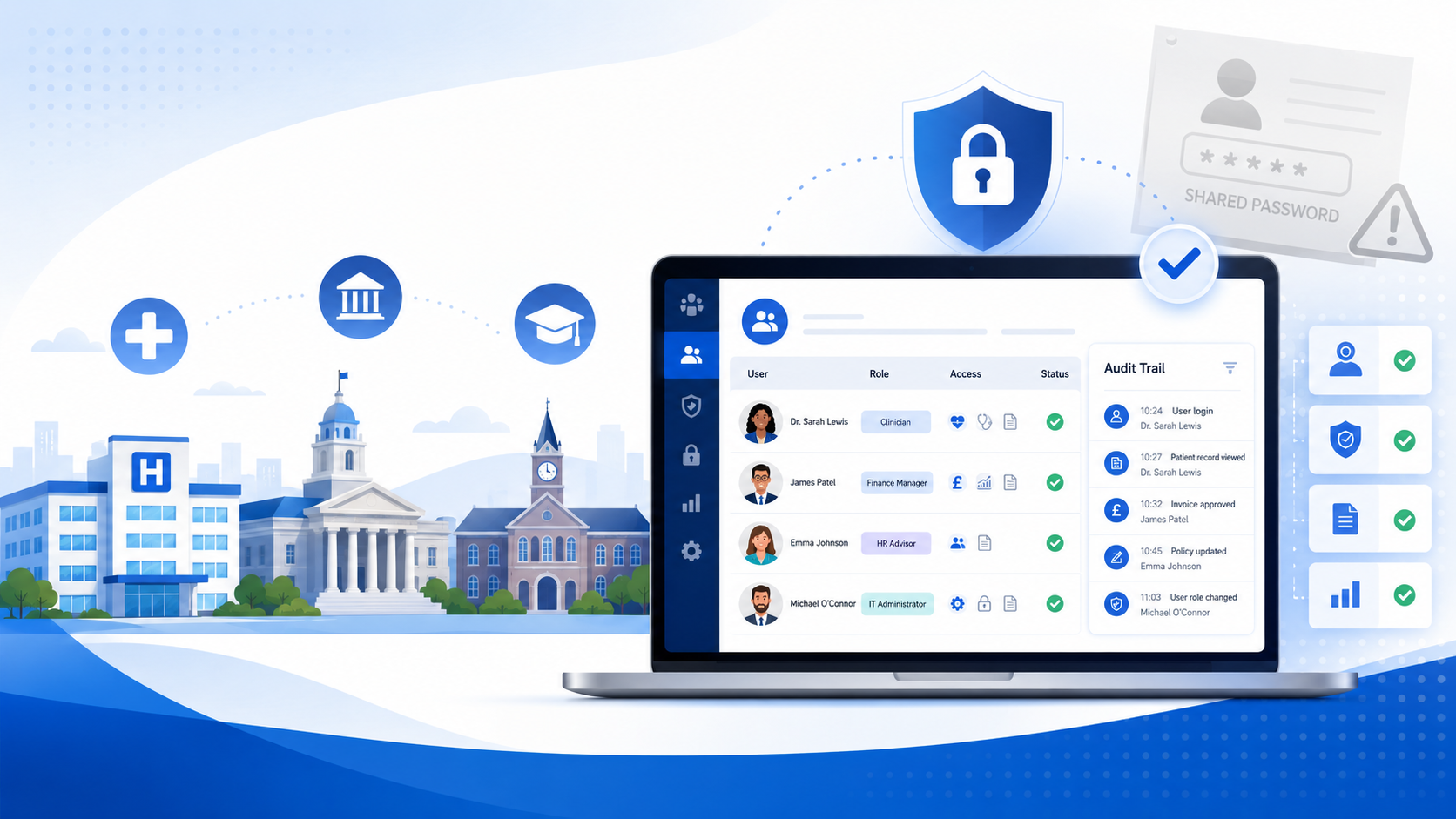
Why are named user logins so important when accessing NewZapp? Particularly for organisations with formal governance, information security, data protection or audit requirements.
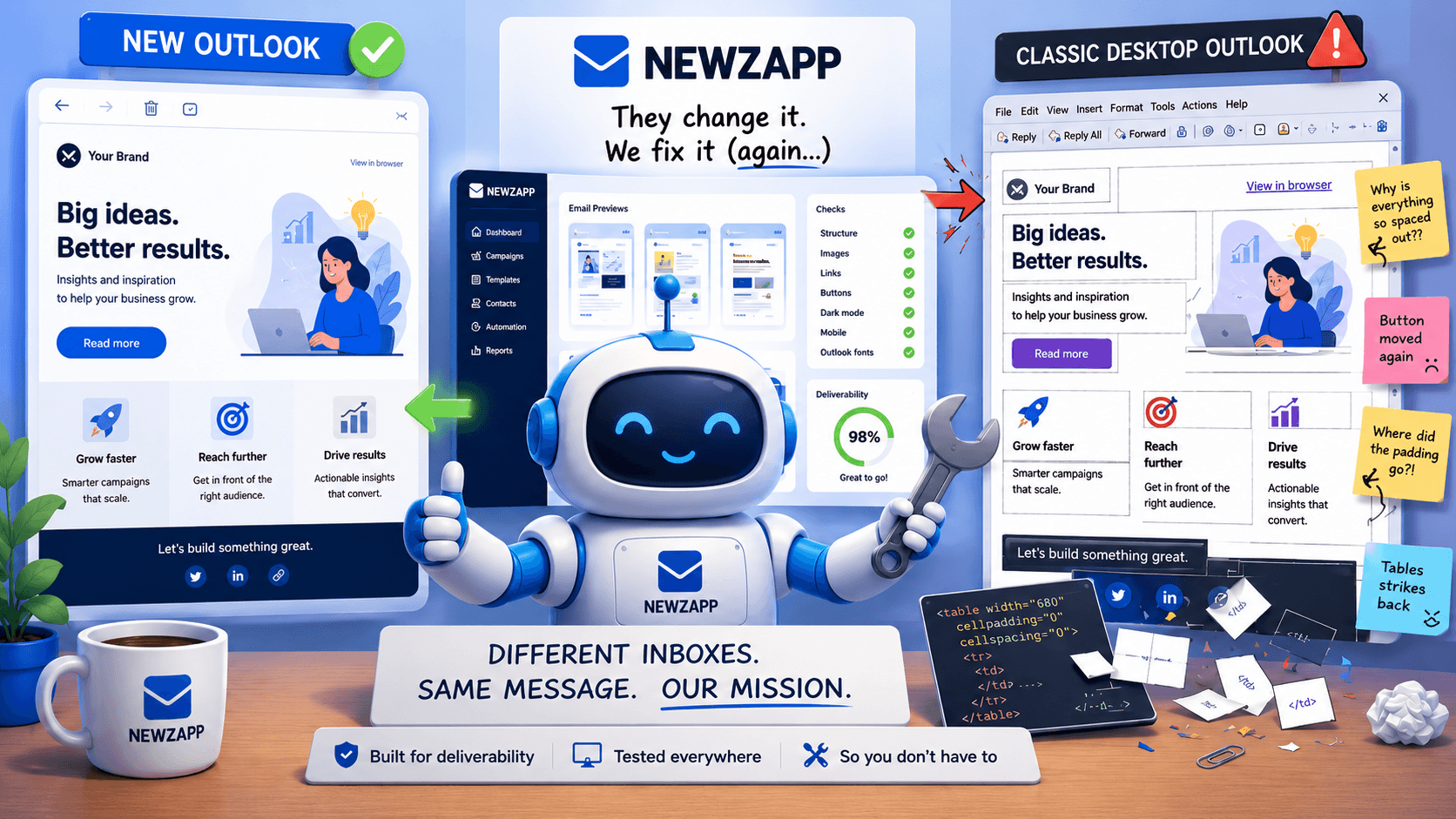
There are many humbling experiences in life. Assembling flat-pack furniture. Explaining cryptocurrency to your parents. Watching a beautifully designed HTML email enter Microsoft Outlook and come out looking like it was formatted during a power cut. Welcome to HTML email rendering. Please keep your arms and legs inside the table layout at all times.
Microsoft 365 and Outlook security scanning can inflate email open and click data. This guide explains exclude-prefetch-activity, how corporate environments distort engagement metrics, and what internal communications teams must understand to provide accurate, credible insight to leadership.
In Q1 2026, NewZapp achieved its highest NPS score ever, reaching 70 following back-to-back quarterly improvements. But the most important part of this story is not the number itself. It is how we got there.
This article explores the ‘last mile’ problem in NHS internal communications and how organisations can ensure reliable delivery to frontline clinicians.
Discover 10 audit questions, 5 priorities, and 3 metrics that define effective internal communications in 2026—plus how to measure real impact.