Is there a best time to send an internal communication email?

email timing Internal communications, Personalised Internal Communications Timing

Is there a best time to send an internal communication email?

In the intricate dance of internal communications, timing is everything. It's not just about when you hit the "send" button but also about sending your messages when they matter most to the recipient.

Unlocking the power of perfect timing of Internal communications emails

As in so many aspects of Life, when it comes to internal communications, timing is pivotal. It transcends the mere act of pressing “send”, into the realm where messages resonate and engage most profoundly with their recipients. Let’s consider how the art of perfect timing extends beyond send schedules, ushering in a new era of personalised and impactful communications.

Dispelling the Myth of Send Timing

The wisdom of “Timing is everything” finds a profound echo in the realm of email communications. Often, we find ourselves engrossed in the quest for that elusive “sweet spot” when our emails are most likely to capture attention and spur engagement. Studies and data-backed insights offer glimpses into optimal send times; Tuesday mornings emerge as a recurring favourite.

However, here lies the caveat. Relying solely on generic send timing advice might lead us astray. Why? Because each organisation and its workforce possess a unique tapestry of habits, time zones, and preferences. While send timing guidelines provide a foundation, the true alchemy unfolds through personalisation.

Harnessing the Potential of Personalised Internal Communications Timing

Personalised timing in email communications signifies sending messages precisely when they hold maximum relevance for individual recipients. This approach recognises that the same email might wield varying degrees of effectiveness at different times for different employees.

Here’s how you can infuse personalised timing into your internal communications strategy:

  1. Segment Your Audience: Recognise the diversity within your organisation; different teams may exhibit distinct preferences regarding email engagement times.
  1. Analyse Previous Interactions: Dive into data analytics to discern patterns in recipient engagement. Insights gleaned here can illuminate preferred timing windows.
  1. Account for Time Zones: If your organisation spans multiple time zones, adopt a considerate approach by scheduling emails at locally appropriate times.
  1. Embrace Behavioural Triggers: Leverage automation tools to dispatch emails triggered by specific actions, ensuring timely delivery of pertinent content.
  1. Solicit Feedback: Foster a culture of collaboration by inviting recipients to share their preferred send timing through surveys or feedback mechanisms.
  1. Iterate and Adapt: Embrace a culture of experimentation. Analyse outcomes, refine strategies, and evolve in response to emerging insights.

The Impact of Personalised Timing of Internal Communications Emails

When emails are dispatched at the optimal moment for each recipient, several favourable outcomes ensue:

  • Increased Open Rates: Emails are more likely to be opened when they align with recipients’ active inbox-checking periods.
  • Heightened Engagement: Recipients exhibit increased interaction, from clicking links to responding to calls for action.
  • Augmented Relevance: Timely messages resonate more deeply, fostering a sense of relevance and importance.
  • Elevated Communication Quality: Tailored timing underscores an understanding of and respect for employees’ schedules, nurturing a positive organisational culture.

In essence, perfect timing of internal communications transcends conventional send schedules. Furthermore personalised timing, where messages are dispatched precisely when they matter most, emerges as the linchpin of effective communication. It celebrates the uniqueness of your audience and holds the power to elevate open rates, engagement levels, relevance, and overall communication dynamics within your organisation. In conclusion, as you craft your next internal email, remember: it’s not merely about pressing “send”, but about seizing the opportune moment when your message will resonate most profoundly with its recipient.

Share This Post

ADAM

Adam Baldock-Apps

Growth Marketing Manager

Passionate Marketing and Growth leader. Driving Digital Innovation and Brand Growth, expert in Tech and SaaS Marketing.

Relevant resources

DKIM email deliverability improvement

What is DKIM?

Having the correct authentication can double your open rates. DKIM acts as an authentication process that protects organisations against spam and phishing.

Read More »

See how NewZapp helps comms teams reach every subscriber and prove engagement in 30 minutes.

Fill out the form to get a guided walkthrough of our award winning communications platform. The demo takes approximately 30 mins and is done online at a time that suits you. We’ll take a look at the following areas:
  • The easy to use email editor
  • Creating a survey
  • Contact management
  • Improving delivery & response rates
  • Detailed result analytics
After the demo, get your own NewZapp account free for 30 days.

Book A Demo

Filter Categories

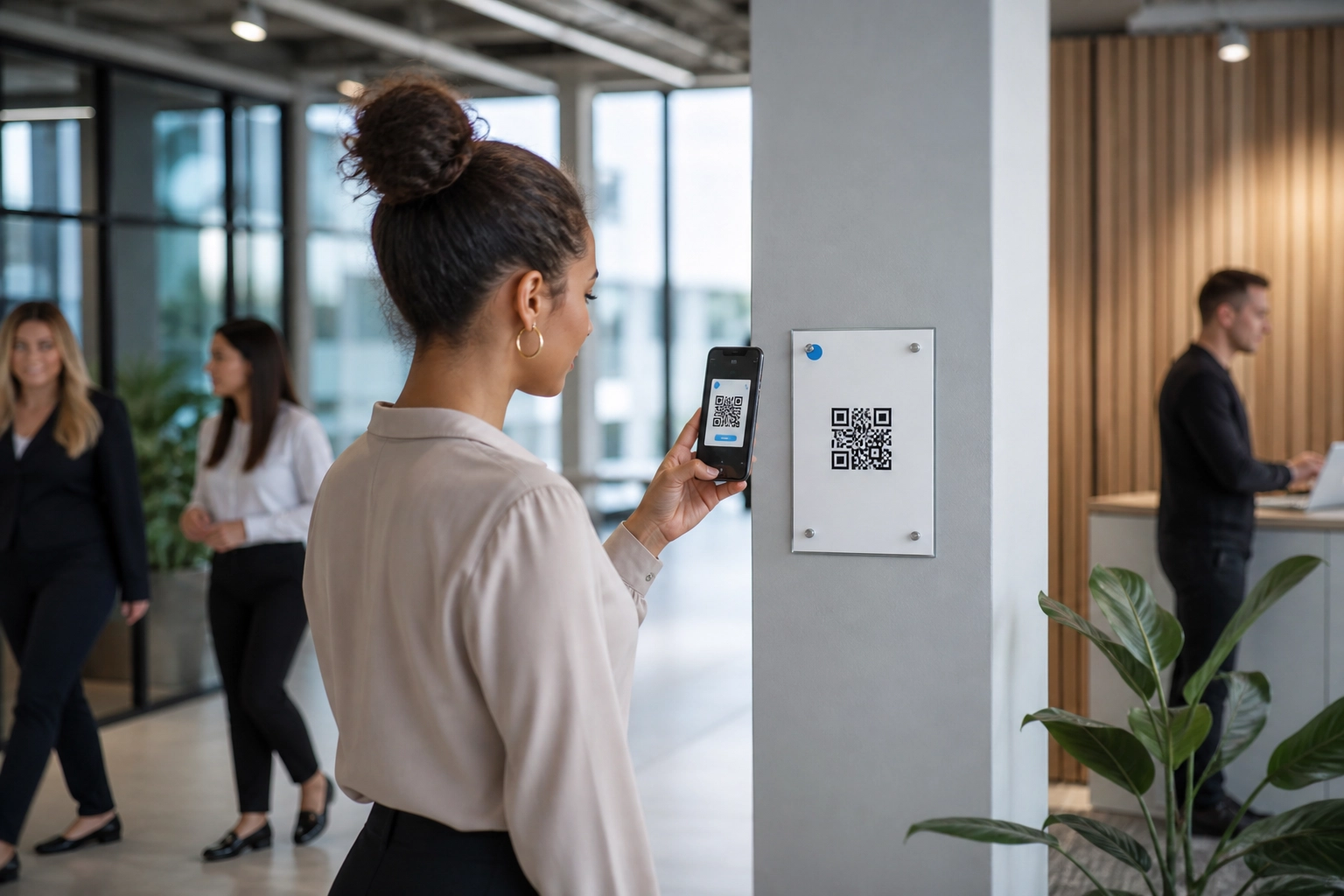
Branded QR codes fail when they sit in corridors nobody pauses in. This placement playbook shows how to audit surfaces by moment of need and dwell time, tier them, and test what actually gets scanned.
Polite agreement is the most common answer to an engagement survey and the least useful one. Here is how to write questions people can answer candidly, with rewrites you can reuse.
Staff emails compete with everything else in the inbox. This analysis looks at why internal communications struggle for attention, what open and click data really proves, and how to build a measurement routine you can take to stakeholders.
Feature grids make every internal communications platform look the same. This evaluation framework covers what actually separates them: where employee data sits, what your reporting can prove, and whether feedback lives next to the send.
Email alone leaves frontline and deskless staff out of the loop. This playbook shows where to place QR codes, what each one should link to, and how to measure whether anyone acted.
Public sector stakeholder updates demand more than a send button. This analysis sets out the hosting, data protection and measurement standards a compliant UK email updates platform should meet.

NewZapp 9.0

NewZapp 9.0 brings so many new features and improvements that you can take advantage of to enhance the way you communicate with customers/employees.

Read The Blog »

NHS Email Analytics Report

NewZapp is a very proud, award winning provider of internal communications software to the NHS. And as such, in a very unique position to offer a report that is not available anywhere else in the world.

Read The Blog »

How to create an email newsletter

A newsletter is a tool used by marketing and internal comms professionals which aims to provide a list of subscribers/employees with updates on products and services or share company news.

Read The Blog »

Internal Comms Challenges

The role of an internal communication professional has evolved. Merely disseminating major news or changes to employees falls short. This limited approach to internal communication

Read The Blog »

2022 A year in review

What an incredible year here at NewZapp Communications. We won a communications award for the work we do with the NHS. We’ve delivered 3 major upgrades to the platform. New customers enjoying high delivery rates and current customers are loving the service and support they receive.

Read The Blog »

Network Rail seek a better way to engage employees

Network Rail need to communicate important, and often time critical, information to their network of employees and stakeholders. Due to the nature of some of the communications, the delivery of these messages was vital so the ability to track emails was a necessity.

Read The Blog »

How to Build a Business Case

Internal communications has featured in businesses for decades but for many senior leaders, while they appreciate the benefits of internal communications, other priorities get in the way of fully investing in it as a business function.

Read The Blog »